




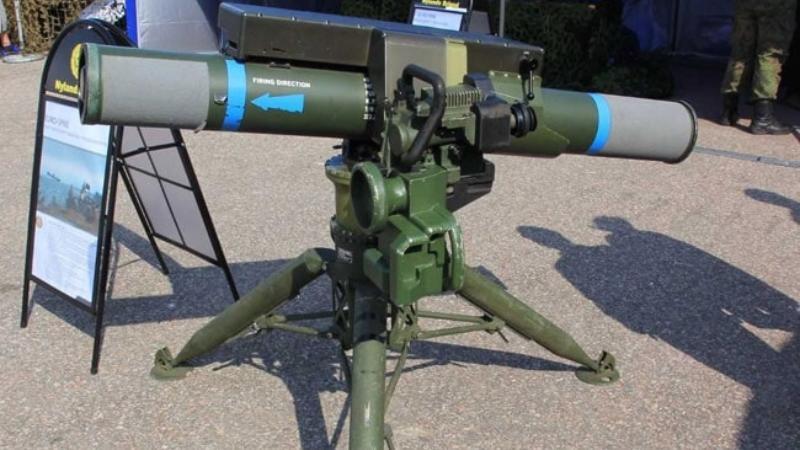

















The Indian Army’s use of Anti-Tank Guided Missiles (ATGMs) to strike Pakistani military posts along the Line of Control (LoC) marks a significant turn in the ongoing conflict under Operation Sindoor. These missiles, known for their precision and destructive capability, were used to neutralize fortified enemy positions in response to Pakistani ceasefire violations and missile attacks. The offensive was part of a larger retaliation following the deadly Pahalgam terror attack, which killed
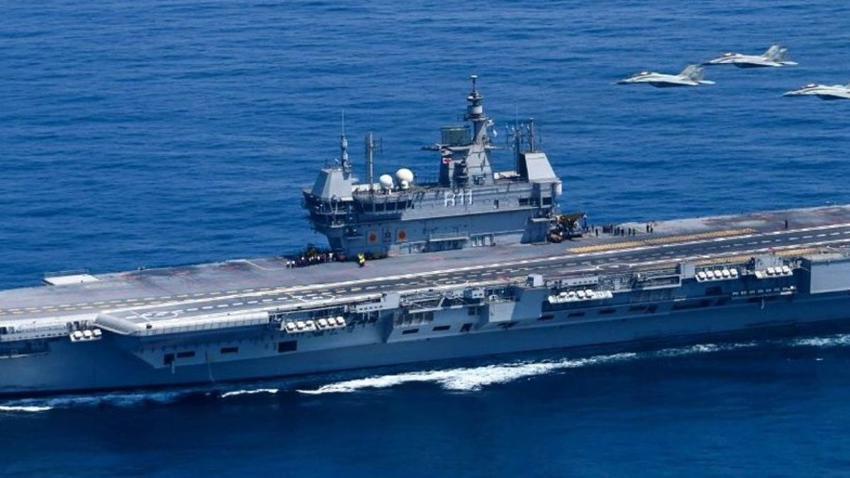
In a strong response to the recent Pahalgam terror attack, the Indian Armed Forces have stepped up their retaliation, marking a significant escalation in Indo-Pak tensions. Reports indicate that the Indian Navy has deployed 26 warships near Pakistan, including the powerful INS Vikrant, which is said to have taken position near Karachi Port. This move marks the first major naval mobilization of this scale since
Under the 1960 Indus Waters Treaty, India had exclusive rights over the eastern rivers—Ravi, Beas, and Sutlej—while Pakistan retained rights to the western rivers—Indus, Jhelum, and Chenab. The treaty is one of the few instances of sustained cooperation between the two nuclear-armed neighbors. Its suspension marks a major shift in diplomatic policy and signals India’s readiness to use water as a pressure point in bilateral relations. The impact of the treaty’s su
India strongly criticized Pakistan at the 58th Session of the United Nations Human Rights Council (UNHRC) in Geneva on Thursday, dismissing its false claims on Jammu and Kashmir and branding the country a "failed state" reliant on international aid. India’s Strong Response to Pakistan’s Allegations In response to Pakistani Law M